Travel guideMombasa
The Kenya Coast: A Travel Guide
Reef, tide, season and distance — how the Kenya Coast actually works, and how to plan a week on it.
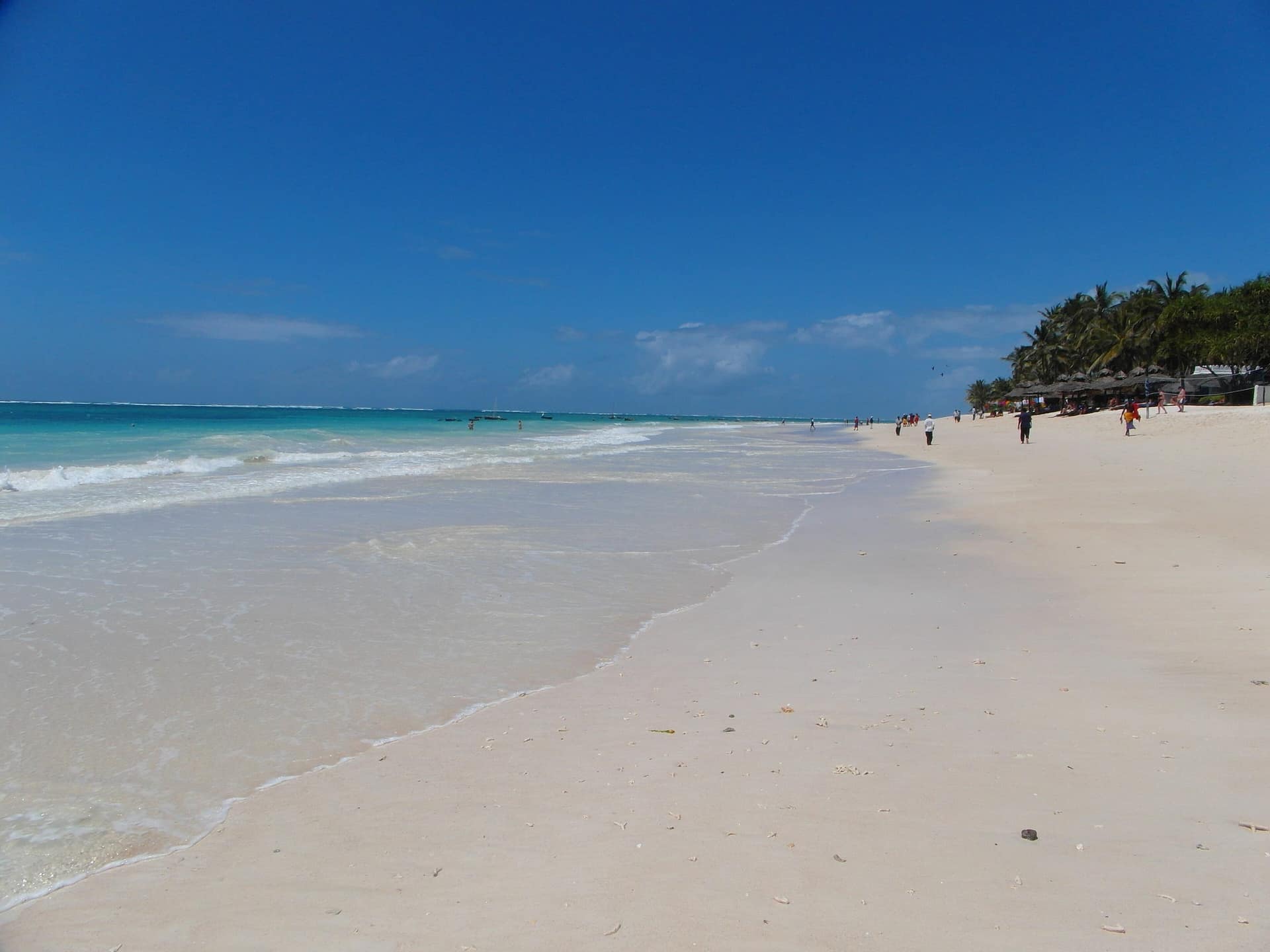
The Kenya Coast is a long, reef-fringed strip of Indian Ocean shoreline with a city in the middle of it and national parks behind it. This is how it works and how to plan around it.
The reef changes everything
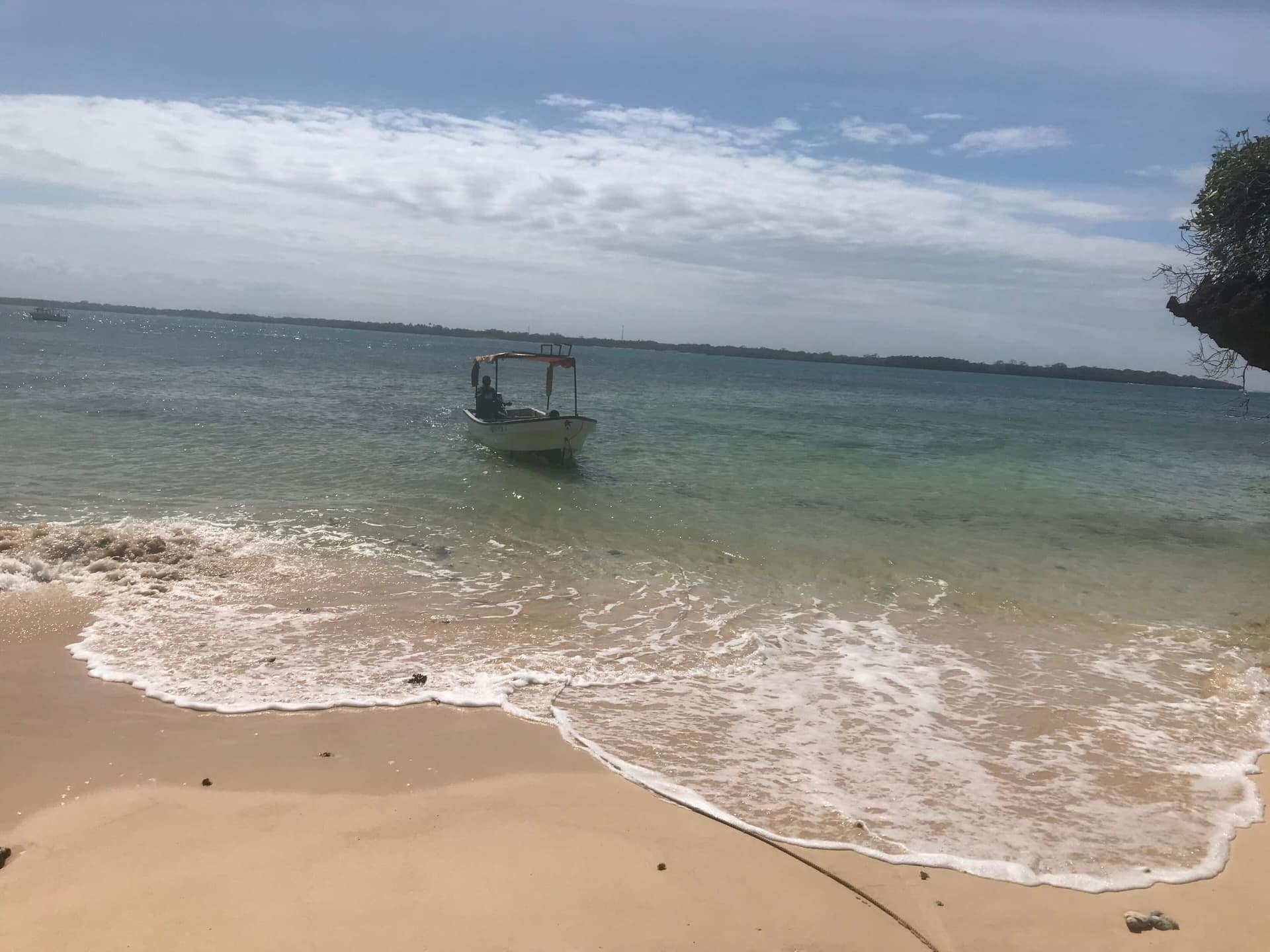
A coral reef runs offshore along most of this coastline. It takes the swell before it reaches the shore, which is why the lagoon inside it is calm, warm and shallow.
Three consequences:
- Swimming is gentle. This is not a surf coast.
- Tides matter. At low water the lagoon can retreat a long way. Check what the tide is doing before you plan a swim.
- Snorkelling is good and accessible — the reef is close and the water is shallow.
North coast, island, south coast
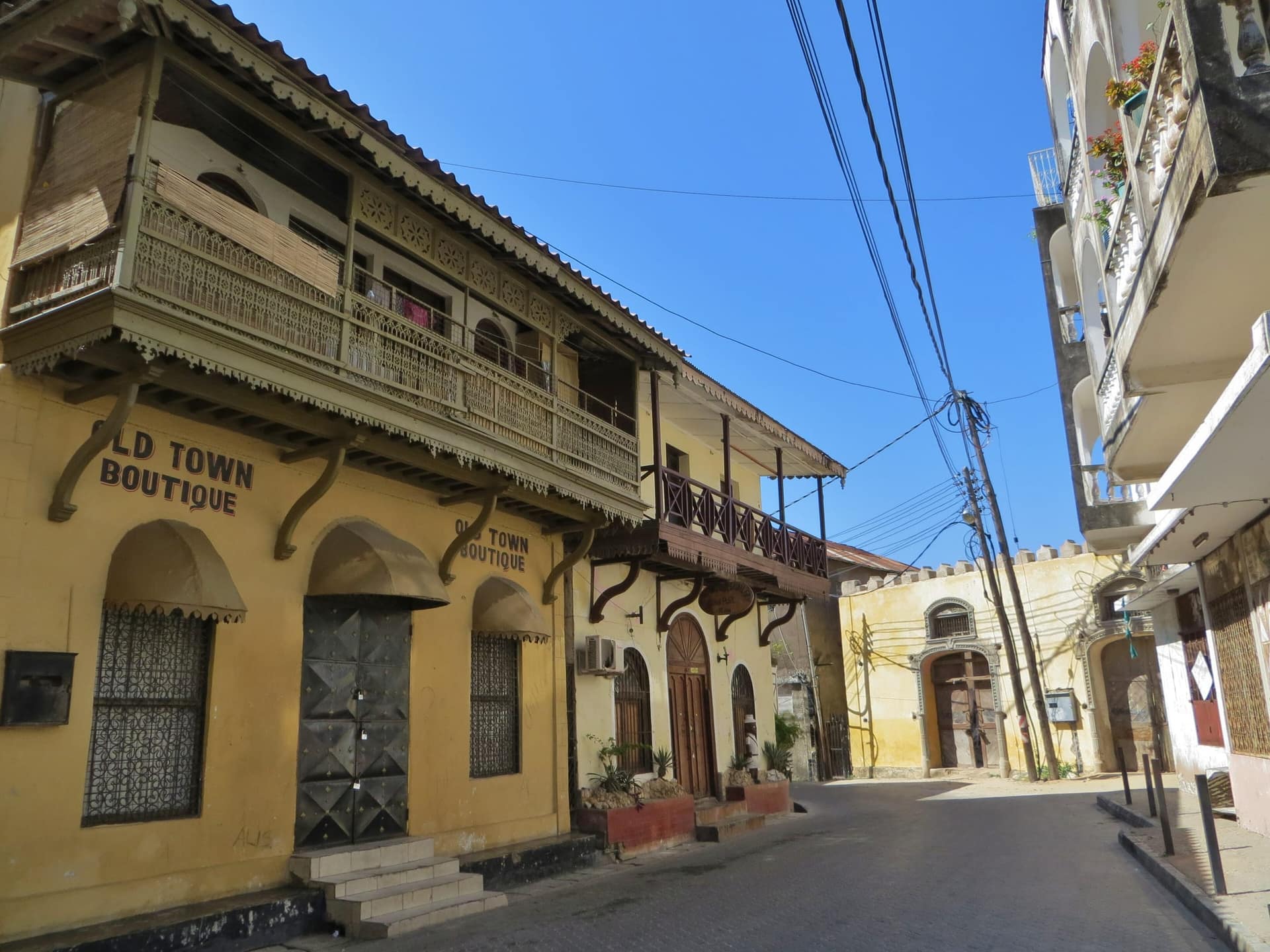
- The island is Mombasa itself — Old Town, Fort Jesus, the harbour, the food.
- North of the island are long beaches and most of the larger resorts.
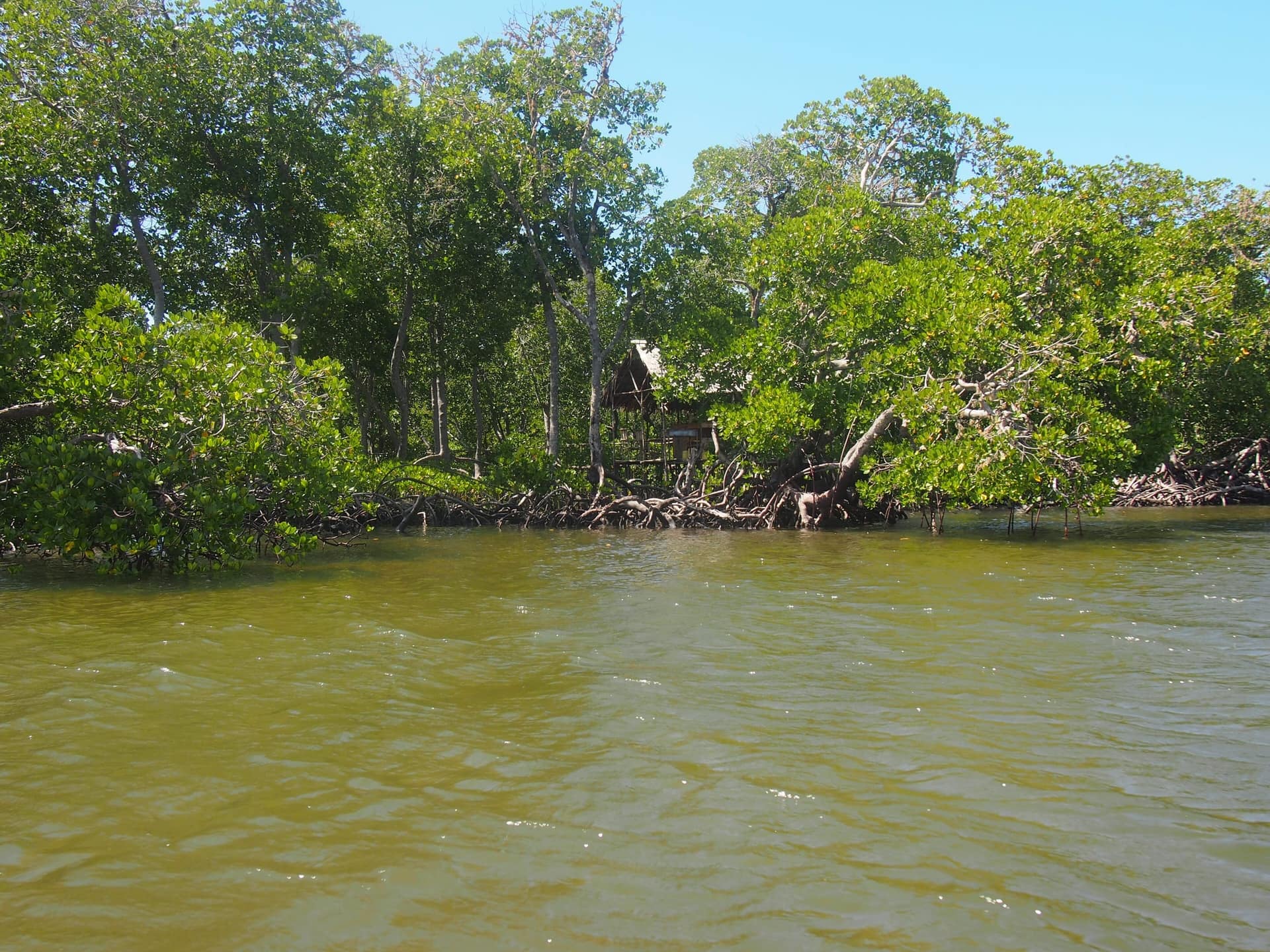
- South of the Likoni ferry are more beaches, and beyond them the road towards Shimoni, Wasini and Funzi.
Almost everything worth doing on the water is south. Almost everything worth doing on land is west, inland.
Seasons
The coast is warm all year. What changes is rain and sea state.
The driest, clearest stretches are generally December to March and July to October. The long rains fall around April and May, and sea conditions are less reliable then.
That said, this coast does not have an "off" season in the way colder places do. It has days that are good for boats and days that are not, and a good operator tells you which is which.
A realistic week
If you have seven days on the coast, this shape works:
- Arrive, do nothing. The heat takes a day.
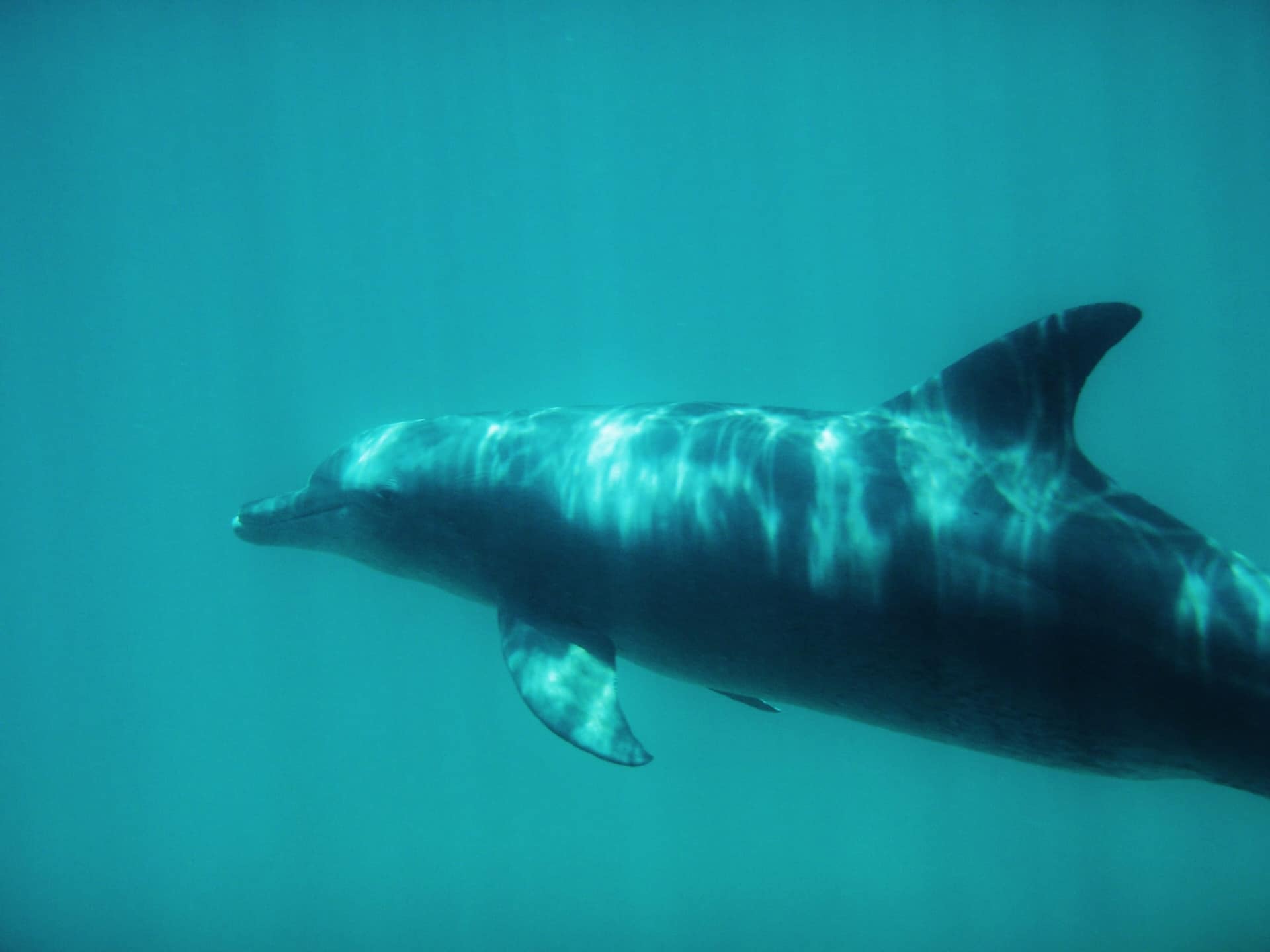
- [Wasini](/tours/wasini-dolphin-tour) — dolphins, reef, island, caves. The big water day.
- Recover on the beach.
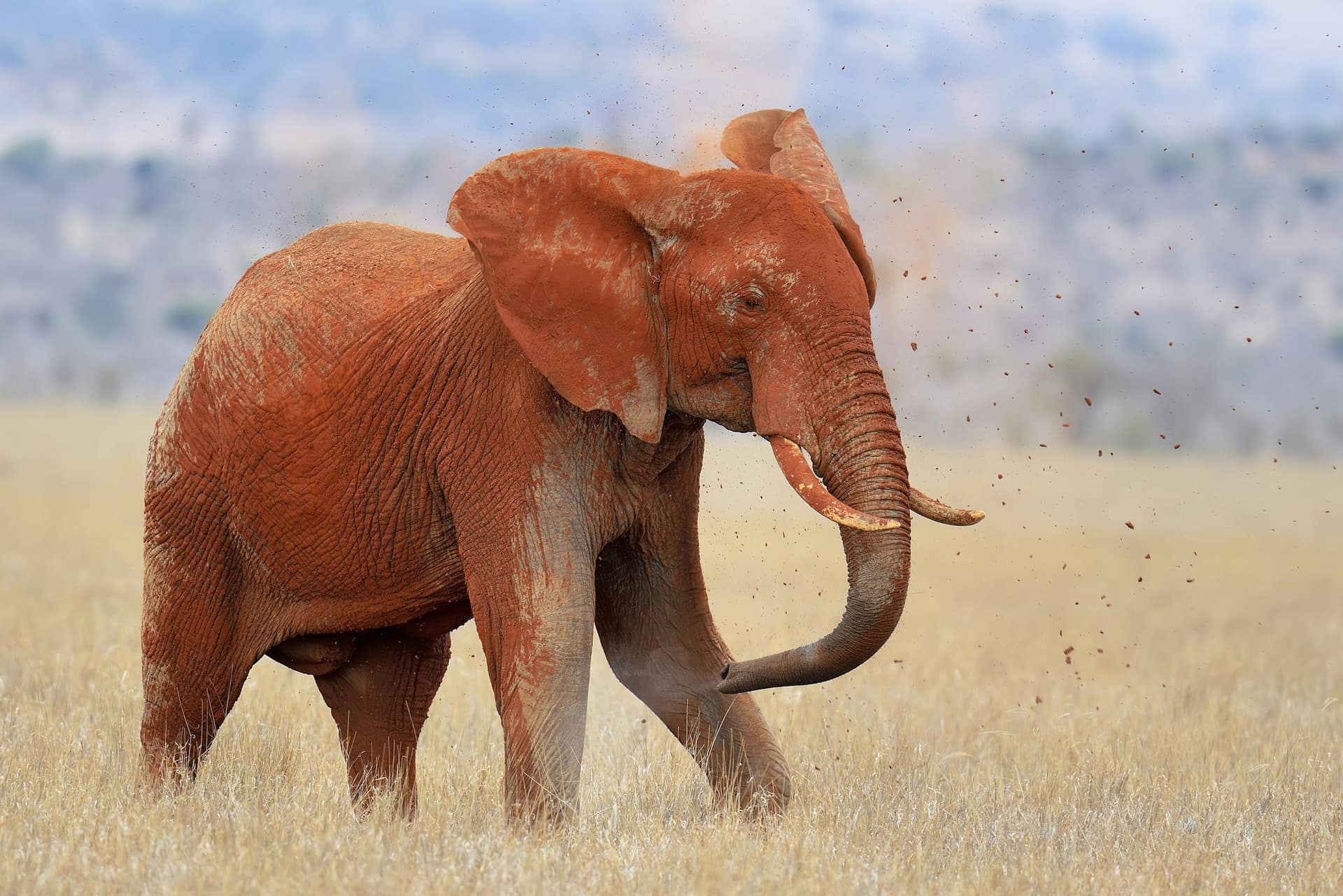
- [Tsavo East](/tours/tsavo-east) — ideally as an overnight, so this is days four and five.
- [Mombasa Old Town](/blog/things-to-do-in-mombasa) — a morning of walking, a long lunch.
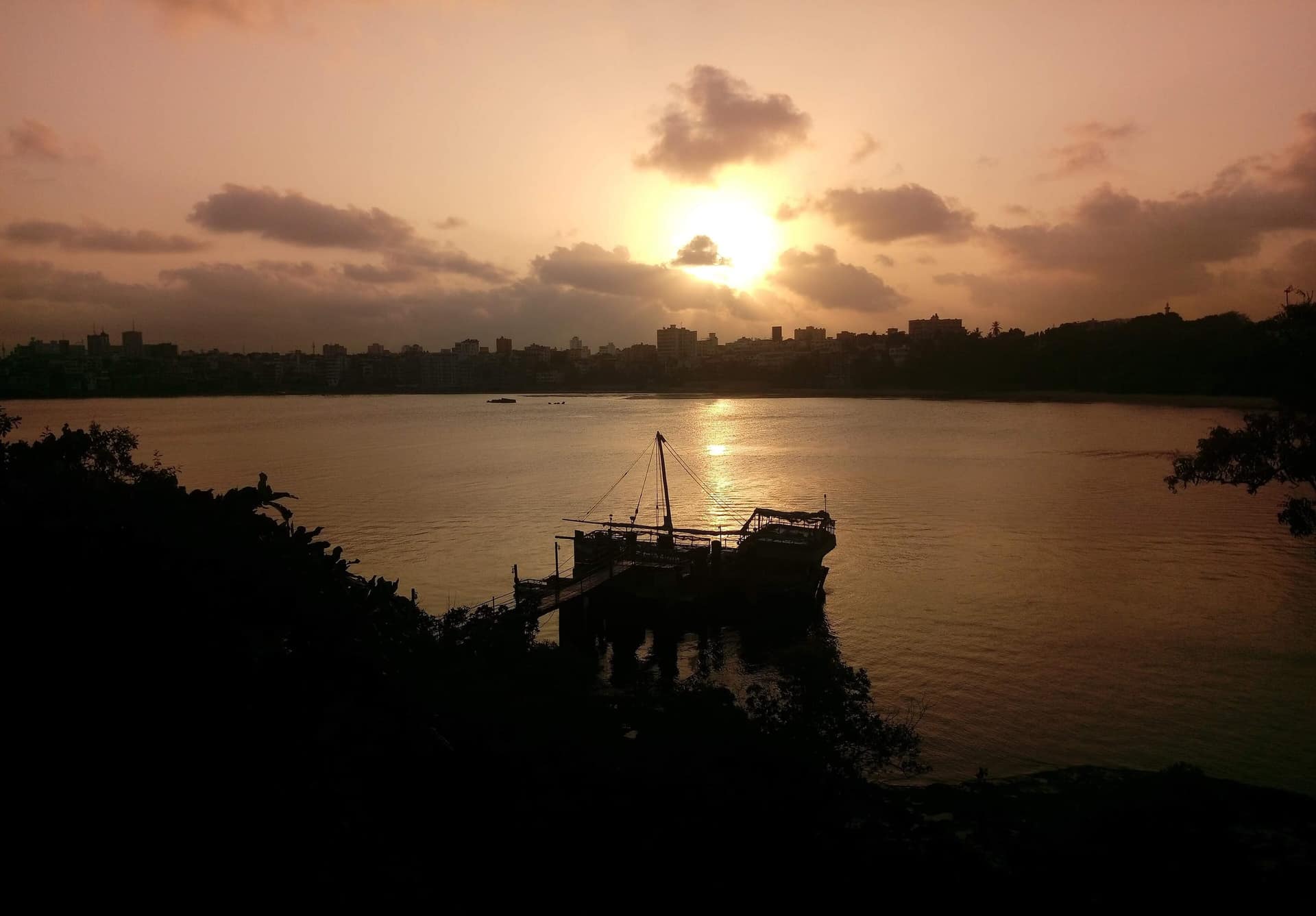
- [Sunset sail](/tours/sunset-sailing) — the quietest good thing on this list.
Swap Funzi for Wasini if calm water suits you better, and Shimba Hills for Tsavo if you cannot spare the night.
Things people get wrong
Underestimating the sun. It is equatorial. Midday is not the time for anything outdoors.
Booking everything back to back. Heat and long days add up. Leave gaps.
Expecting fixed timetables. Boat departures follow tide and sea state. A sandbank trip in particular is scheduled around the tide on your specific date.
Trusting published fees. Park and marine park entry are set by Kenya Wildlife Service and change. Always confirm the current figure.
Believing guarantees. Dolphins, sable, lions, whales — all wild. Any operator promising a sighting is promising something they do not control.
Going further south
From the Kenya Coast the water route continues to Tanzania — Zanzibar and Pemba Island. Both are international crossings, so passports and current Tanzanian entry requirements apply, and both are arranged as private charters rather than run to a published timetable.
What to bring
- More sun protection than you think, plus a long-sleeved layer for boats
- Reef-safe sun cream
- Insect repellent
- A waterproof bag
- Binoculars if you care about birds or safari
- Cash for fees and markets
- Closed shoes if you are walking at Shimba Hills